The Little Metal Maybe: Who Really Gets a Key to Your Home?
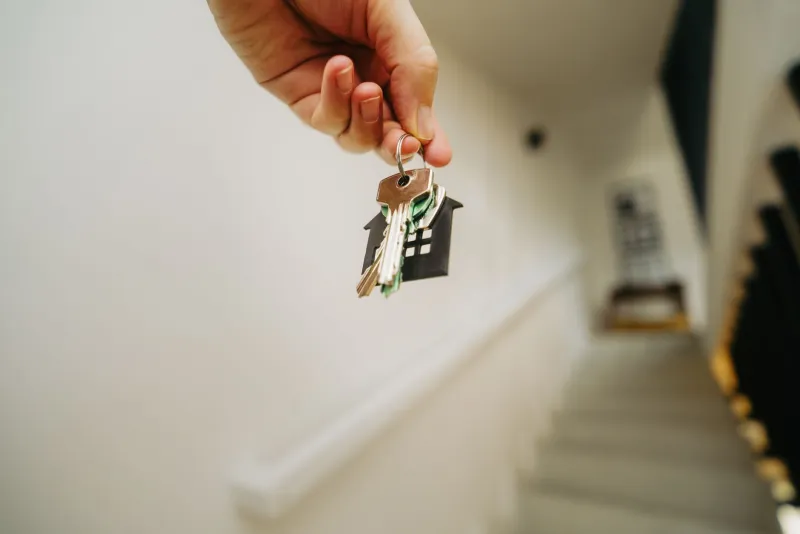
There is a particular British pause that happens when someone holds out a Yale key and says, 'It's just in case.' It is not quite an offer and not quite a request. It is a small metal maybe. The other person takes it, says something like 'Oh, you don't have to,' and then puts it somewhere safe while both parties pretend the exchange was not a minor moment of intimacy.
The spare key is one of those everyday objects that carries more weight than it looks. It is not just about access. It is about who gets to cross the threshold when you are not there, who becomes your emergency contact, and what happens when trust is lent, remembered, forgotten, or quietly withdrawn.
The handover is the hard part
The giving of a key is rarely a grand ceremony. It tends to happen at the end of a visit, in a hallway, with a coat half on. One woman I know was handed a key by her neighbour in a small envelope with 'BACK DOOR' written on it in biro. No explanation. No time limit. Just a key and a look that said: you know what this is for.
That is often how it works. The handover is deliberately underplayed. To make too much of it would be to admit that you are asking for help, or that you are the sort of person who might need help. In a culture that prefers its kindness slightly muffled, the spare key is a way of saying something important without saying it out loud.
The key itself is usually unremarkable: a dull brass copy, a bit stiff in the lock, maybe on a ring with a faded fob from a garage that closed years ago. But it comes with a silent set of instructions. Do not use it unless you have to. Do not mention it. Do not lose it. And, ideally, do not think too hard about what it means.
A key safe is a diary in metal
Then there is the key safe. You have seen them: small grey boxes screwed into a brick wall beside a back door, usually somewhere between the recycling bin and the outdoor tap. They are the modern compromise between neighbourliness and security, a way to lend access without handing over a physical key.
The key safe says something slightly different from the doorstep handover. It says: I am not giving you a key. I am giving you a code. It is trust with a password. The combination gets sent by text, sometimes followed by a second message saying 'don't share it' and a third saying 'actually the cleaner has it too'.
It is practical, and a little bit clinical. But it also tells a story. A key safe by the back door often means there is a dog walker, a carer, a cleaner, a builder, or a relative who pops in. It means the house is not a fortress but a small hub of comings and goings. It means someone has thought about what happens when they are not there.
The only trouble is that a key safe is only as discreet as the person who knows the code. In a cul-de-sac, a combination can travel faster than a rumour. And while most people are entirely sensible, it is worth remembering that a key safe is not a magic box. It is a small metal promise with a four-digit lock.
The neighbour as emergency contact
The classic spare-key holder is still the neighbour. Not the one you nod at across the road, but the one two doors down who knows where your stopcock is and will take in a parcel without being asked twice. They are the person you ring when you are stuck on a train and the boiler is making a noise like a dying kettle.
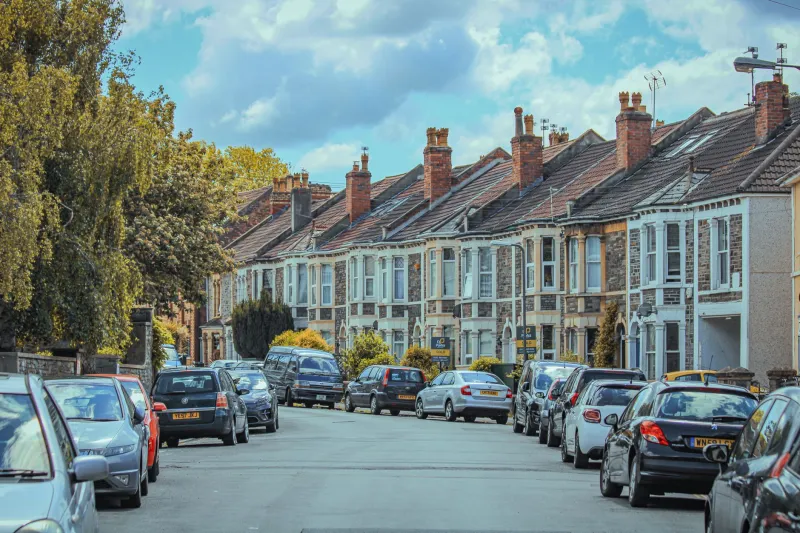
This is the quiet infrastructure of British streets. It is rarely formal. There might be a WhatsApp group, or there might just be a shared understanding built up over years of bin day chats and fence repairs. The key is the physical proof of that understanding.
Sometimes the key holder is family, of course. A sister across town, a parent with a spare on a hook in the kitchen. Sometimes it is a cleaner or a dog walker, whose key is less about emergency and more about routine. But the neighbour is the one who carries the emotional weight. They are the person who might, in a genuine crisis, let themselves in and find you on the floor. Or, more likely, they will water your plants and put your bins out.
The spare key is an IOU with teeth. It is a favour that has not yet been called in. And most people are very careful not to call it in too often.
When the key comes back
Keys migrate. They end up in the bottom of handbags, in kitchen drawers, on the wrong ring. Sometimes they come back after a holiday with a small thank-you box of chocolates. Sometimes they do not come back at all, and nobody quite knows how to ask.
There is a particular awkwardness to reclaiming a spare key. Asking for it back can feel like a demotion. It implies that the trust has changed, even if the actual reason is dull: you are moving house, or the neighbour is moving, or you have simply decided to change the locks because the key is old and stiff and makes a noise like a cat.
So the key is often left where it is. It sits in a drawer in someone else's kitchen, a tiny hostage to good manners. And then one day the locks change, or the key safe code changes, and the arrangement ends not with a conversation but with a quiet click.
That is the quiet withdrawal of trust. It is rarely dramatic. It is a new code, a new lock, a decision not to ask again. The key was never just a key, so its removal is never just practical.
The geography of it all
If you mapped the spare keys of a single street, you would get a strange and revealing diagram. Lines would run from house to house, from kitchen drawers to key safes, from retired neighbours to working parents. It would show who is trusted with what, and who is not. It would show the places where people are prepared to be slightly vulnerable.
Most of us do not think of it as a system. We think of it as a favour. But it is a system: a small, informal answer to a big question. Who would you let into your house when you are not there? And who would let you in?
A spare key is not really a key. It is a maybe. Maybe I'll be away. Maybe you'll need to get in. Maybe I'll need you to feed the cat. In a country that often talks around things, it is a rare direct sentence. It just happens to be made of metal.