Waiting for Beans: The Strange Sociology of Britain’s Allotment Queue
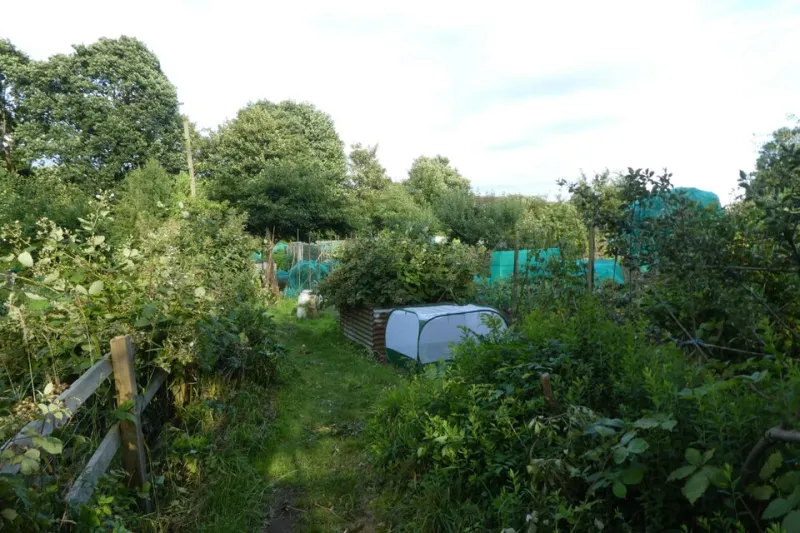
Photo: DS Pugh , CC BY-SA 2.0, via Wikimedia Commons
There is a particular kind of British hope that looks like a form. You fill it in, send it off and wait. Not for a passport, not for a hospital appointment, but for a small rectangle of earth with a shed on it. The allotment waiting list is the slowest queue in the country, and in 2026 it is longer than ever.
On paper, the appeal is simple: cheap vegetables, fresh air, a bit of exercise. In practice, the allotment is a social world with its own rules, hierarchies and unspoken feuds. The waiting list is not just a delay. It is an initiation.
The queue you join without joining
Most people do not join an allotment waiting list in a moment of great ambition. They do it on a Sunday afternoon after watching a gardening programme, or after a conversation with a neighbour who has grown more courgettes than any household could reasonably eat. They fill in the council form, tick a box for a half plot, and then forget about it.
Years pass. You move house, change jobs, have children, lose touch with the neighbour. Then an email arrives. A plot has come up. You have ten days to decide whether to take it. Suddenly, the idea of growing your own feels less like a hobby and more like a test.
Waiting lists vary wildly. Some councils report waits of two or three years. Others are closer to a decade. In cities, the queue can be so long that the list itself becomes a kind of folklore. People speak of it the way they speak of a good dentist: rumoured, precious, hard to get into.
Paperwork, plots and parish politics
The bureaucracy is part of the experience. There is the application form, the proof of address, the annual rent, the site rules. There is the parish council meeting where allotment matters are discussed with a seriousness usually reserved for road closures and bin collections. There is the site secretary, a volunteer who holds the keys, the map and a surprising amount of power.
Then there is the plot itself. It may be overgrown, waterlogged, covered in carpet or mysteriously full of rubble. The waiting list does not promise a neat little vegetable patch. It promises potential, which is a much harder thing to manage.
New tenants quickly learn the unwritten politics. Do not strim the wrong path. Do not take water from the wrong butt. Do not let your weeds seed on someone else’s plot. Do not assume the old boy in the corner is just being friendly when he asks what you are planning to do with that bit near the fence. He is assessing you.
What the wait is really for
On the surface, the waiting list is about supply and demand. There are not enough plots. More people want them. The maths is simple. But the queue is also doing something else. It is filtering for persistence.
That sounds grand, but it is mostly practical. Allotments reward people who turn up. A plot does not care about your intentions. It cares about whether you can be bothered to dig, water, weed and come back next week. The waiting list gives people time to imagine themselves as that kind of person.
It also creates a sense of scarcity that makes the plot feel more valuable. When you finally get the key, you are not just taking on some land. You are joining a small, self-selecting community that has been waiting, in one way or another, for the same thing.
Class, compost and 2026
The allotment has always had a complicated class story. It began as a way to give working people land to grow food. It became a wartime necessity, then a post-war hobby, then a slightly unfashionable pursuit. In 2026, it is fashionable again, but not always accessible.
Rising food prices have made growing your own look sensible. The desire for time outdoors has made it look healthy. The cost of gym memberships has made it look cheap. But an allotment is not free. There is rent, tools, seeds, compost, water and the sheer amount of time it takes to keep a plot from turning into a jungle.
The waiting list also raises awkward questions about who gets to benefit. Some sites are in affluent areas and have short queues. Others are in places where people could really use the space, but the lists are long and the plots are few. Councils sell land. Developers build houses. The queue grows.
And yet the appetite remains. In a world of same-day delivery and instant streaming, the allotment offers something radically different: a slow, stubborn, seasonal relationship with a patch of ground. You cannot optimise it. You can only turn up.
The shed at the end of the list
What people are really waiting for is not just vegetables. It is the shed. It is the flask of tea on a cold morning. It is the satisfaction of taking home a bag of runner beans that cost more to grow than they would to buy. It is the right to say, ‘They’re mine,’ with muddy hands and a straight face.
The allotment waiting list is Britain’s slowest queue because it is not really about efficiency. It is about belonging, patience and the quiet belief that a small piece of earth might make life feel a little more real. In 2026, that is worth waiting for.